

Periodontal disease (also known as gum disease) is one of the most common health conditions around the world, with nearly three out of four American adults suffering from a mild to advanced case. While symptoms may be relatively minor or even nonexistent in the beginning, patients who let this issue go untreated can face a variety of damaging consequences, including jawbone deterioration and an increased risk of tooth loss.
That’s why Dr. Jackson Petty and the rest of our team here in Tullahoma are dedicated to finding and treating periodontal disease at the earliest possible stage. With multiple therapy options available, we’ll select the one that best revitalizes your oral health as quickly and smoothly as possible.

Gum disease develops when there is an excess of harmful bacteria that infect your gums. Over time, these bacteria gradually erode the bone and tissues that support your teeth. Gum disease has two different stages:
Our goal is to detect gum disease in Tullahoma and develop an early treatment plan to prevent future oral health problems. This is why Dr. Petty always checks your smile for common symptoms of gum disease during each of your regular checkups.
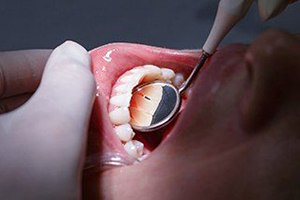
Common symptoms include:
It’s important to remember, though, that periodontal disease may not be noticeable to you until it’s reached a more advanced stage. To protect your smile, you need to attend regular checkups and cleanings and practice diligent home care.

Our recommended care will depend on the severity of your periodontal disease. In some cases, more frequent cleanings may be enough to reverse any negative effects. Scaling and root planing is an effective service for more moderate symptoms; it allows us to thoroughly clean between the gums and teeth and smooth the surfaces of the tooth roots, improving your oral health in the process. If we determine that a surgical procedure will be necessary to treat your condition fully, Dr. Petty will be happy to refer you to a trusted local specialist.
Please don’t hesitate to contact our Tullahoma, TN, office today if you have any questions about our periodontal services or would like to schedule an appointment. We also welcome new patients from nearby areas, including Lynchburg, Shelbyville, Manchester, Murfreesboro, and beyond.
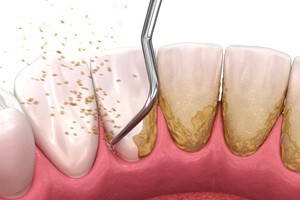
Scaling and root planing is used for cases of early to moderate gum disease to help reverse symptoms. By minimizing harmful bacteria in the mouth and clearing them, you allow your immune system to fight off the infection and prevent it from progressing. When left untreated, gum disease can lead to serious dental problems, like gum recession, loose teeth, and tooth loss.
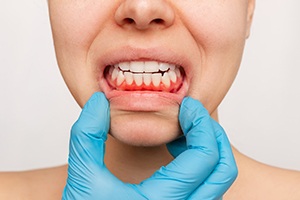
Dr. Petty will determine whether you need scaling and root planing after evaluating your smile. If it appears that you are showing many of the most common signs and symptoms, including swollen, bleeding gum tissues, sensitivity, and bad breath, you will likely be recommended for treatment.
The sooner you allow our team to target the harmful bacteria attacking your gums, the better your chances of maintaining a healthier smile in the long run.
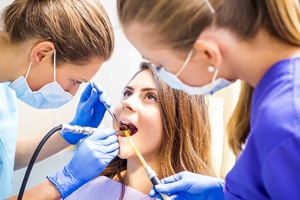
This treatment will generally take place over one or two appointments depending on how advanced your gum disease is. First, our team will remove all plaque and tartar buildup from the surfaces of the teeth. This is what is known as “scaling.” Next is the “root planing” part of the treatment. This is when we remove any hardened deposits of tartar on the roots of the teeth. This step allows your gum tissue to reattach to the teeth, providing the roots with much-needed protection. Ultimately, we want to eliminate the need for you to endure highly invasive treatments to prevent damage to your smile in the future.

After Dr. Petty completes the scaling and root planing, you can expect to remain numb for a short while after your appointment. Local anesthesia will ensure you feel nothing while we clean above and below the gumline.
Until the numbness wears off, do not plan to eat anything, as you could injure your tongue, cheeks, lips, or other oral structures. You may experience slight tenderness and soreness after your appointment, but this can be managed with an over-the-counter pain reliever. Also, rinsing with salt water a few times a day can clean your mouth of harmful particles and minimize swelling.
You will need to resume your normal oral hygiene routine the following day, but remember to be gentle when brushing and flossing.